

Mosquito Season Is Coming to the North Texas Area: When to Start Treatments and Why Early Protection Matters
If you spend any time in your backyard between April and October in North Texas, you know the battle well. Mosquitoes don't just ruin outdoor evenings — they pose real health risks to your family and pets. And in the Dallas–Rockwall–Forney corridor, where warm temperatures and humid spring conditions create perfect breeding grounds, mosquito season comes early and stays late. The good news? Starting treatments before the population peaks makes a significant difference — and the window to act is right now.
When Does Mosquito Season Start in North Texas?
Mosquitoes in the DFW area typically become active when temperatures consistently stay above 50°F — which in North Texas often happens as early as late February or March. By April and May, populations begin growing rapidly, peaking in late spring through early fall when heat and humidity are highest.
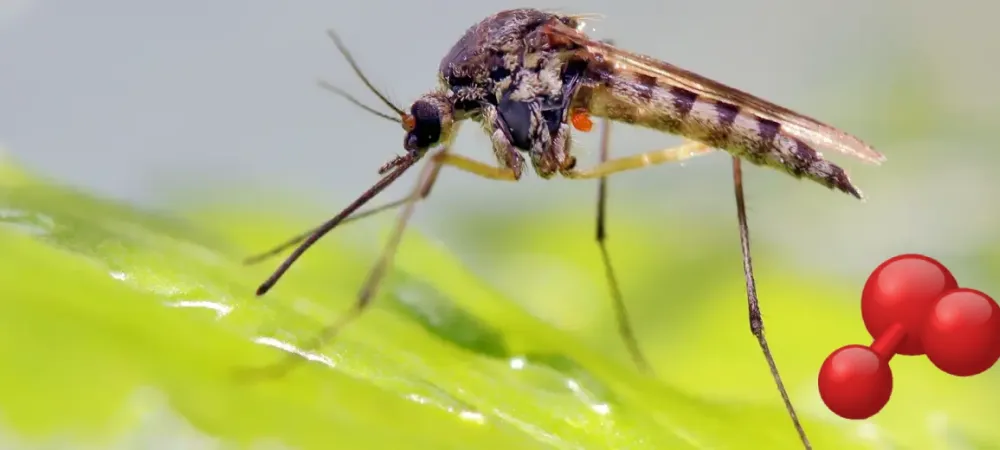
The dominant mosquito species in our area is Aedes aegypti, commonly known as the yellow fever mosquito. Unlike other species that bite primarily at dawn and dusk, Aedes aegypti is a daytime biter — meaning your backyard barbecue, your kids playing outside, and your morning cup of coffee on the patio are all prime exposure times. A second common species, Culex quinquefasciatus (the southern house mosquito), is most active at dusk and is a known carrier of West Nile Virus, which has been documented in Rockwall, Dallas, and Kaufman counties.
Why Starting Early Makes Such a Big Difference
Mosquito control is far more effective when treatments begin before populations explode. Here's why:
- Mosquitoes reproduce rapidly — a single female can lay 100–200 eggs at a time, and larvae can develop into adults in as few as 7–10 days in warm water.
- Early treatments disrupt the breeding cycle before numbers become overwhelming, reducing the need for more intensive applications later.
- Spring rains in North Texas create temporary standing water in gutters, flower pots, bird baths, and low spots in the yard — all prime mosquito breeding habitat.
- Proactive treatment is especially important in communities near Lake Ray Hubbard and other bodies of water in the Rockwall, Rowlett, and Sachse areas, where mosquito pressure is consistently higher.
What Professional Mosquito Control Involves
A professional mosquito control program targets mosquitoes at multiple life stages and focuses on the areas of your property where they rest and breed. A typical treatment plan includes:
Barrier Treatments
These perimeter pest control applications target resting sites — the undersides of leaves, shrubs, ground cover, and shaded areas where mosquitoes hide during the day. Barrier sprays provide residual protection that continues to work between visits, typically lasting 3–4 weeks.
Larvicide Applications
Treating standing water with larvicides prevents mosquito larvae from developing into adults. This is particularly effective in areas where water can't be eliminated entirely, such as drainage ditches, ornamental ponds, or areas that collect water after heavy rain.
Routine Visit Schedule
Mosquito populations fluctuate throughout the season based on rainfall, temperature, and other factors. Regular service visits (typically every 3–4 weeks from spring through fall) provide consistent protection rather than allowing populations to recover between treatments.
Things You Can Do Around Your Property Right Now
Professional treatment is the most effective approach, but there are things every homeowner in Plano, Allen, Murphy, Wylie, and surrounding areas can do to reduce mosquito pressure:
- Empty standing water — Check gutters, saucers under flower pots, birdbaths, old tires, and any container that holds water after rain. Change birdbath water at least once a week.
- Maintain your lawn — Tall grass and dense shrubs provide shady, humid resting spots that mosquitoes love. Keep grass trimmed and shrubs thinned.
- Address drainage issues — Low spots in the yard that hold water for more than a few days after rain are breeding hotspots. Improving drainage eliminates the problem at the source.
- Trim back overgrown vegetation — Dense ground cover along fences and property edges creates ideal resting habitat. Keep these areas well-maintained between professional treatments.
Mosquito and Flea & Tick Control: A Complete Approach
Mosquito season in North Texas overlaps almost entirely with peak flea and tick activity. Fleas become a serious problem as temperatures warm in spring, and ticks are active from early spring through late fall — including the lone star tick, which is common throughout Kaufman, Rockwall, and Collin counties.
Many homeowners choose to address all three pests together with a combined treatment program. This approach protects both people and pets with a single service visit, covering the yard comprehensively during the months when pest pressure is highest.
Protect Your Backyard This Season With LawnLab
LawnLab serves homeowners throughout the greater Dallas area — including Rockwall, Forney, Plano, Richardson, Rowlett, Sachse, Sunnyvale, Allen, Murphy, Wylie, Garland, Terrell, and more. Our mosquito control program is designed specifically for the mosquito species and conditions found in North Texas — not a one-size-fits-all approach.
Don't wait until your backyard is already swarming. The earlier you start, the better your results. Contact LawnLab today for a free estimate and get your mosquito protection in place before the season gets away from you.